
Why Mexico City is Changing the Way the World Eats- and Where to Experience it in Chicago
For decades, the global restaurant conversation seemed to orbit a familiar group of cities: Paris for technique, Tokyo for precision, New York for energy, Copenhagen for experimentation.
Add Mexico City to that list.
Mexico City has become one of the most influential dining cities in the world, not simply because Mexican food is having a moment, but because the city is exporting an entirely different idea of what a great restaurant can be.
Across the United States, a new generation of restaurants is being described explicitly as “Mexico City-inspired.” Eater recently traced the trend from New York and Los Angeles to Washington, D.C., New Orleans, Austin and Chicago, where restaurants are borrowing from CDMX not only in flavor, but in atmosphere, service style and design. (Eater)
The influence is bigger than tacos. It is the combination of serious cooking and casual hospitality. Street food and tasting menus. Natural wine and heritage corn. Beautiful rooms that still feel lived-in. A willingness to pull inspiration from other cultures without losing a distinctly Mexican point of view.
In other words, Mexico City is influencing the restaurant, not just the menu.
From Street Food to the World Stage
Part of what makes Mexico City’s dining culture so compelling is that its culinary identity doesn’t fit neatly into a category. A diner can eat tacos from a street stand in the afternoon, drink natural wine at a tiny neighborhood bar that evening and sit down to one of the world’s most ambitious tasting menus a few hours later. None of those experiences feels disconnected from the others.
At the highest end, restaurants like Pujol and Quintonil have helped establish contemporary Mexican cuisine on the international fine-dining stage. Both retained two Michelin stars in the 2025 Michelin Guide Mexico, while Mexico City’s presence expanded again in the 2026 guide. (Michelin)
But focusing exclusively on Michelin stars misses what makes the city so influential. Mexico City’s real power is its ecosystem. The city moves effortlessly between old and new, formal and informal, Mexican and international. Michelin describes contemporary Mexico City as a “capital of experimentation and progress,” where a newer generation of intimate restaurants exists alongside institutions like Pujol and Contramar. (Michelin Guide)
Migration has also made the city’s food culture extraordinarily international. Japanese, Lebanese, Spanish, Indian, and other culinary traditions have become woven into the way Mexico City eats, sometimes so completely that the lines between influence and tradition become difficult to separate. (Michelin Guide)
That exchange is increasingly moving in the opposite direction. Now, the rest of the world is borrowing from Mexico City.
The New Luxury Restaurant Aesthetic is Stripped Back
One of Mexico City’s biggest exports may have nothing to do with a particular ingredient. It is atmosphere.
Look at restaurants throughout Roma Norte, Condesa, Juárez and Polanco and you’ll find a version of hospitality that has become increasingly desirable elsewhere: sophisticated without feeling stiff, design-conscious without feeling over-designed and ambitious without stripping the restaurant of personality.
Restaurants are getting smaller. Menus are becoming more shareable. Chefs are putting serious culinary technique into formats traditionally considered casual. Cocktail programs are looking toward ingredients like tamarind, hibiscus, corn, chile and agave. Fine dining is becoming louder, warmer and more interactive.
And perhaps most importantly, Mexican cuisine is increasingly being allowed the same freedom that French, Italian and Japanese cuisines have long enjoyed in American restaurants: the freedom to evolve.
Chicago happens to be one of the most interesting places to watch that evolution.
Where to Experience the Mexico City Effect in Chicago
Chicago’s relationship with Mexican food obviously predates the current fascination with CDMX. The city’s Mexican communities have shaped Chicago dining for generations. What feels new is the number of restaurants exploring the same tension that makes contemporary Mexico City so exciting: heritage alongside experimentation.
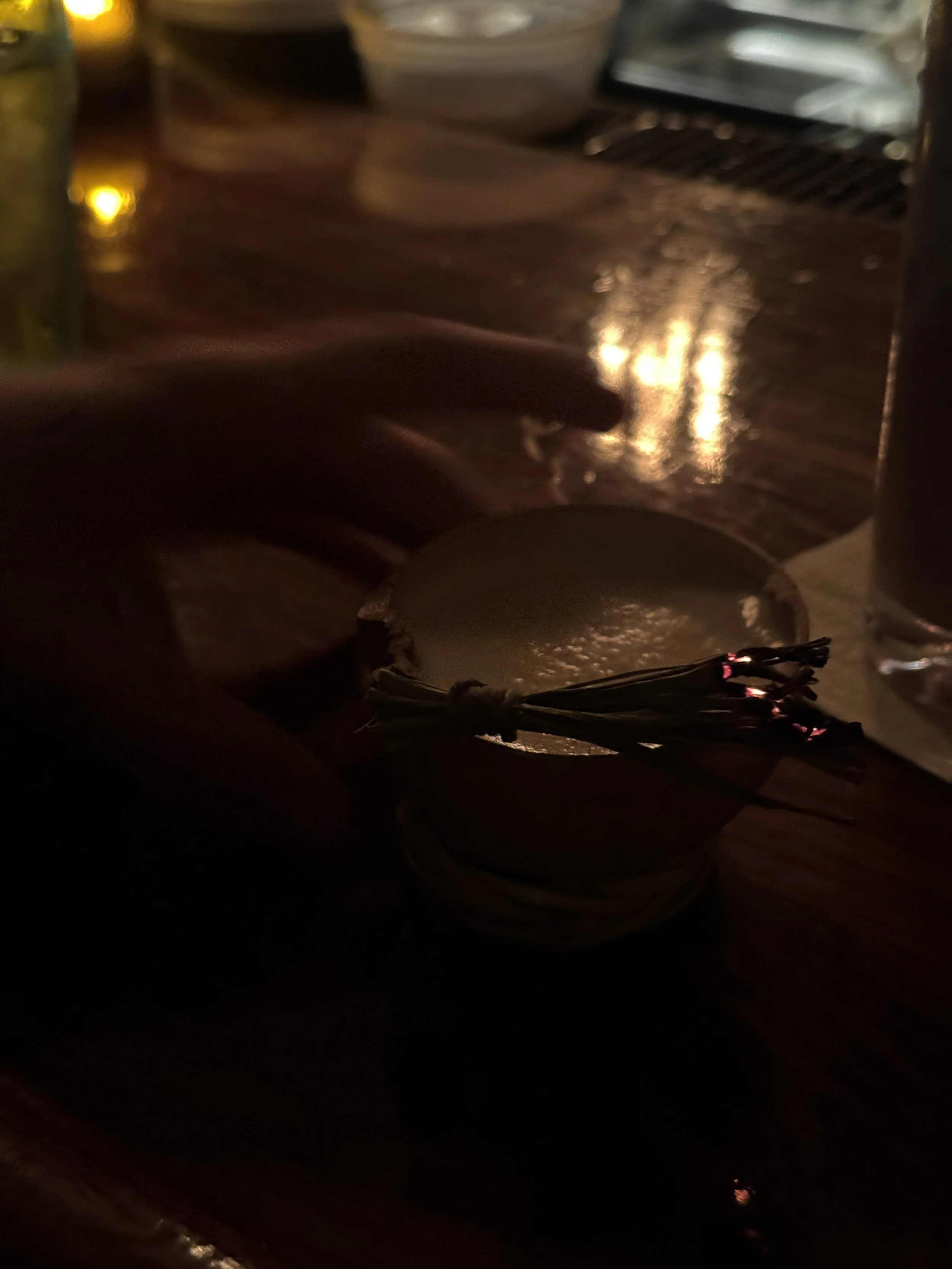
Osito’s Tap | Little Village
Hidden behind Moreno’s Liquors in Little Village, Osito’s may be one of Chicago’s clearest connections to Mexico City’s modern cocktail culture.
The connection is intentional. Osito’s beverage program has drawn inspiration from the bars of Roma and Condesa, with Mexico City-born bartender Denisse Soto previously describing a program built around ingredients such as tepache, tamarind, jamaica, epazote, charanda and mazapán. (Eater Chicago)
But to understand that connection, you have to look further back than the bars of Roma Norte and Condesa. Much of what feels cutting-edge in Mexico City’s cocktail scene today is actually rooted in something ancient. Bartenders and chefs are looking back toward indigenous ingredients, traditional preservation methods and fermentation practices that existed in Mexico long before the modern cocktail bar did. Corn, chiles, herbs, cacao, agave and fermented drinks aren’t being treated as exotic additions to otherwise familiar cocktails, they’re increasingly becoming the foundation of the drinks themselves.
Osito’s operates with a similar philosophy.
One of the most exciting things happening in Mexico City right now is a renewed curiosity about Mexico’s own culinary history. What the rest of the world may encounter as a “new” cocktail ingredient or technique is often something Mexican communities have been eating, drinking or fermenting for centuries. Rather than simply pouring tequila and mezcal into familiar cocktail formats, the bar uses Mexican culinary traditions as a starting point for experimentation.
An herb traditionally found in a quesadilla can move behind the bar. Corn can become a cocktail ingredient. A childhood candy can inspire a drink. Mexican culinary memory becomes a jumping-off point rather than a limitation.
Osito’s also makes sense geographically. Owner Mike Moreno and the team behind Osito’s Tap have built the bar as an extension of Little Village itself—one of the centers of Mexican culture in Chicago, making the experience feel connected to an actual community rather than an imported aesthetic. (Choose Chicago)
Even the food reinforces the point. A special shoutout has to go to the Quesaditlán, which, on our visit, came filled with huitlacoche, the earthy corn fungus sometimes called Mexican truffle. Huitlacoche has been eaten in Mexico since pre-Hispanic times, turning something another food culture might consider an agricultural defect into a prized ingredient.
Go for: house-made ferments, agave spirits, ancestral Mexican ingredients and one of Chicago’s clearest connections to the creative energy currently defining Mexico City’s bar scene.
Mariscos San Pedro | Pilsen
If Osito’s demonstrates what Chicago can learn from Mexico City’s cocktail bars, Mariscos San Pedro taps into another obsession currently radiating outward from the capital: the marisquería.
And if you’ve eaten at Mi Compa Chava in Mexico City, the connection is hard to miss. Mi Compa Chava has helped turn the marisquería into one of the defining dining experiences of contemporary CDMX: Sinaloa-inspired seafood, aguachiles, tostadas, whole fish and cold drinks served with serious culinary intention but very little ceremony. It's the kind of place where lunch can easily become the rest of your afternoon.
Mariscos San Pedro is led by chef-partners Oliver Poilevey, Marcos Ascencio, and Antonio Incandela, in partnership with 16” on Center, the hospitality group led by Bruce Finkelman. It approaches Mexican seafood through that same contemporary lens: pristine seafood, bold acid, chiles, tostadas and aguachiles in a room that feels more like somewhere to spend an afternoon than somewhere demanding reverence from its guests.
The similarities to Mi Compa Chava aren’t about replication. They’re about a shared restaurant language. Both demonstrate how a category once easily dismissed in the United States as “casual Mexican seafood” can become the foundation for one of the most exciting dining experiences in a city.
The rise of restaurants like Mi Compa Chava has helped introduce international diners to a side of Mexican dining that exists far beyond tacos and tasting menus. Mexico’s coastal food traditions, particularly the seafood cultures of Sinaloa, Sonora, Baja California and the Pacific coast, have become increasingly visible within the capital’s contemporary restaurant scene.
Mariscos San Pedro translates some of that energy beautifully for Chicago.
And importantly, Chicago doesn’t need to imitate Mexico City to participate in the conversation. With one of the largest Mexican communities in the United States and its own generations-deep Mexican culinary identity, the city has the ability to take those ideas somewhere new.
Go for: aguachiles, tostadas, seafood and the closest Chicago answer to the kind of long, loud, seafood-heavy lunch that makes Mi Compa Chava such an essential Mexico City stop.
Mirra | Bucktown
If you want to understand where this movement might be heading next, go to Mirra.
Led by chefs Rishi Kumar and Zubair Mohajir, Mirra combines Mexican and Indian cuisines rather than treating either as untouchable. Its current menu can move from salsa tatemada and papad to buttermilk aguachile with curry leaves, or from birria to momo dumplings. (Mirra)
On paper, it sounds like fusion. In practice, it reflects something increasingly common in Mexico City’s own restaurant culture: chefs allowing global influences to interact with Mexican ingredients and techniques without feeling compelled to place the food into one rigid category.
The restaurant has drawn comparisons to Masala y Maíz, the groundbreaking Michelin Star Mexico City restaurant from chefs Norma Listman and Saqib Keval that explores the intertwined culinary histories of Mexico, East Africa and South Asia. Masala y Maíz helped challenge the conventional idea of “fusion” cooking. Rather than simply placing flavors from different cuisines together, its food examines the historical connections between them: migration, colonialism, trade, shared ingredients and cooking techniques that traveled across continents long before anyone started using the word fusion.
That same spirit makes Mirra particularly relevant in Chicago.
Here, Mexican and Indian cooking meet through dishes that feel less like a mashup and more like a conversation. Mirra’s chefs have cited Masala y Maíz among their inspirations, while creating something distinctly their own for Chicago.
It’s also exactly the kind of restaurant that demonstrates why Mexico City’s influence is becoming so important globally. The city isn’t simply exporting Mexican flavors. It’s exporting a willingness to question what a restaurant, and a cuisine, is allowed to be.
Go for: one of Chicago’s strongest examples of where globally influenced Mexican cooking is going next, and a taste of a culinary conversation that stretches directly back to Mexico City.
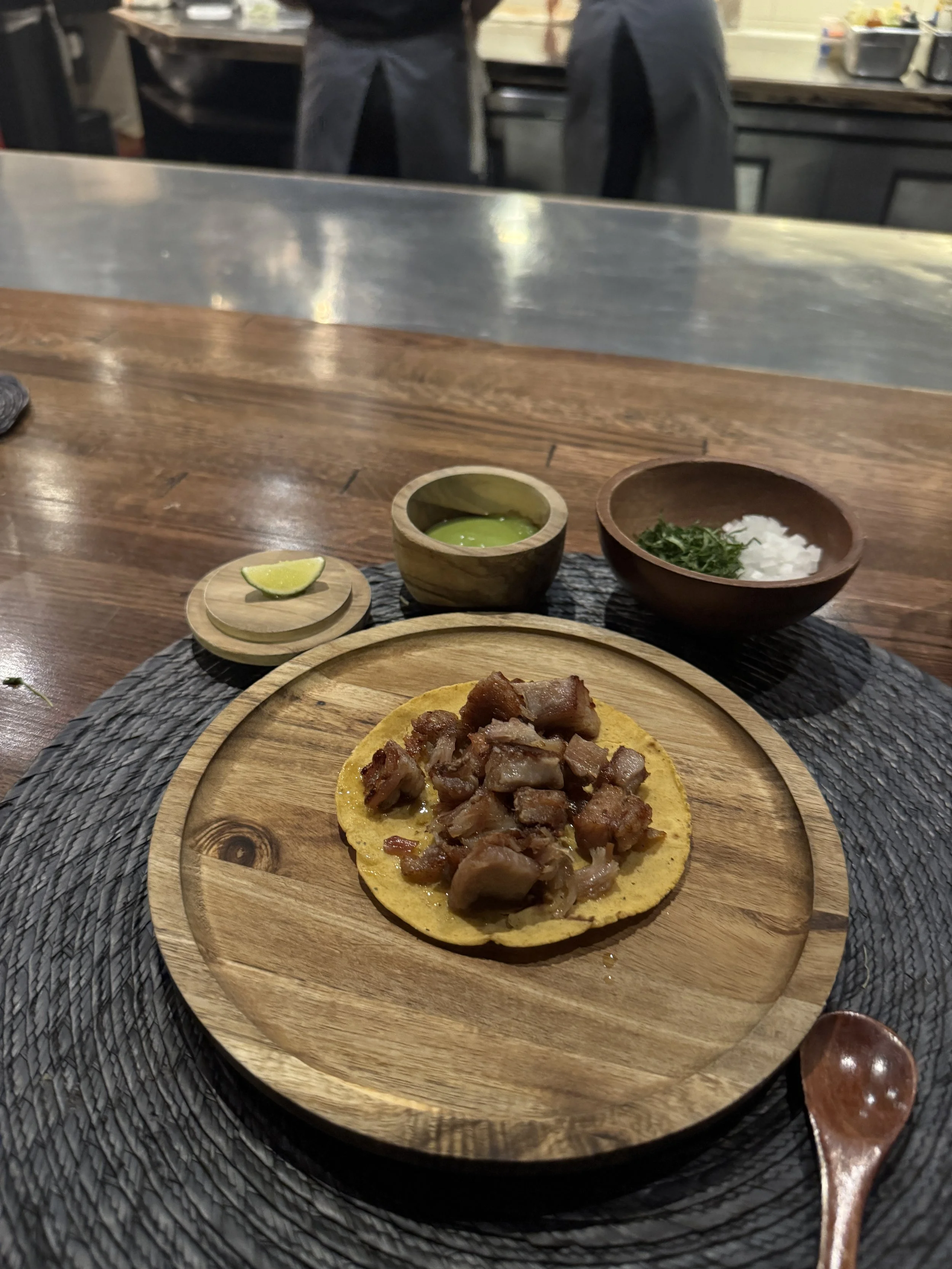
Cariño | Uptown
At Cariño, chef Norman Fenton explores Mexican and Latin American cooking through an intimate fine-dining lens.
Fenton spent years cooking throughout Latin America, including time in Mexico, before opening Cariño as what he has described as a “love letter to Mexico.” The restaurant pairs an ambitious tasting menu with its now-signature late-night taco omakase—two very different experiences under the same roof. Cariño earned a Michelin star in its first year.
What’s coming next makes Fenton particularly interesting in the context of this conversation. He is preparing to open Molino Los Hermanos next door, an all-day restaurant, tortillería and working molino centered around freshly milled masa and heirloom Mexican corn.
It’s a move that reflects the broader renewed attention to corn, nixtamalization and traditional masa-making happening across contemporary Mexican dining. There’s even a small parallel to Mexico City, where Enrique Olvera followed Pujol with Molino El Pujol, a much more casual concept centered around masa and heirloom corn. The restaurants themselves are very different; what’s interesting is the shared decision to put one of Mexico’s oldest and most fundamental culinary processes at the center of a new project.
That makes Cariño another example of something happening far beyond any single restaurant: as Mexican cooking gains greater recognition on the international fine-dining stage, some chefs are simultaneously looking backward, toward the ingredients, techniques and traditions that have defined the cuisine for centuries.
Go for: the Michelin-starred tasting menu or late-night taco omakase now. Keep an eye on Molino Los Hermanos next door.
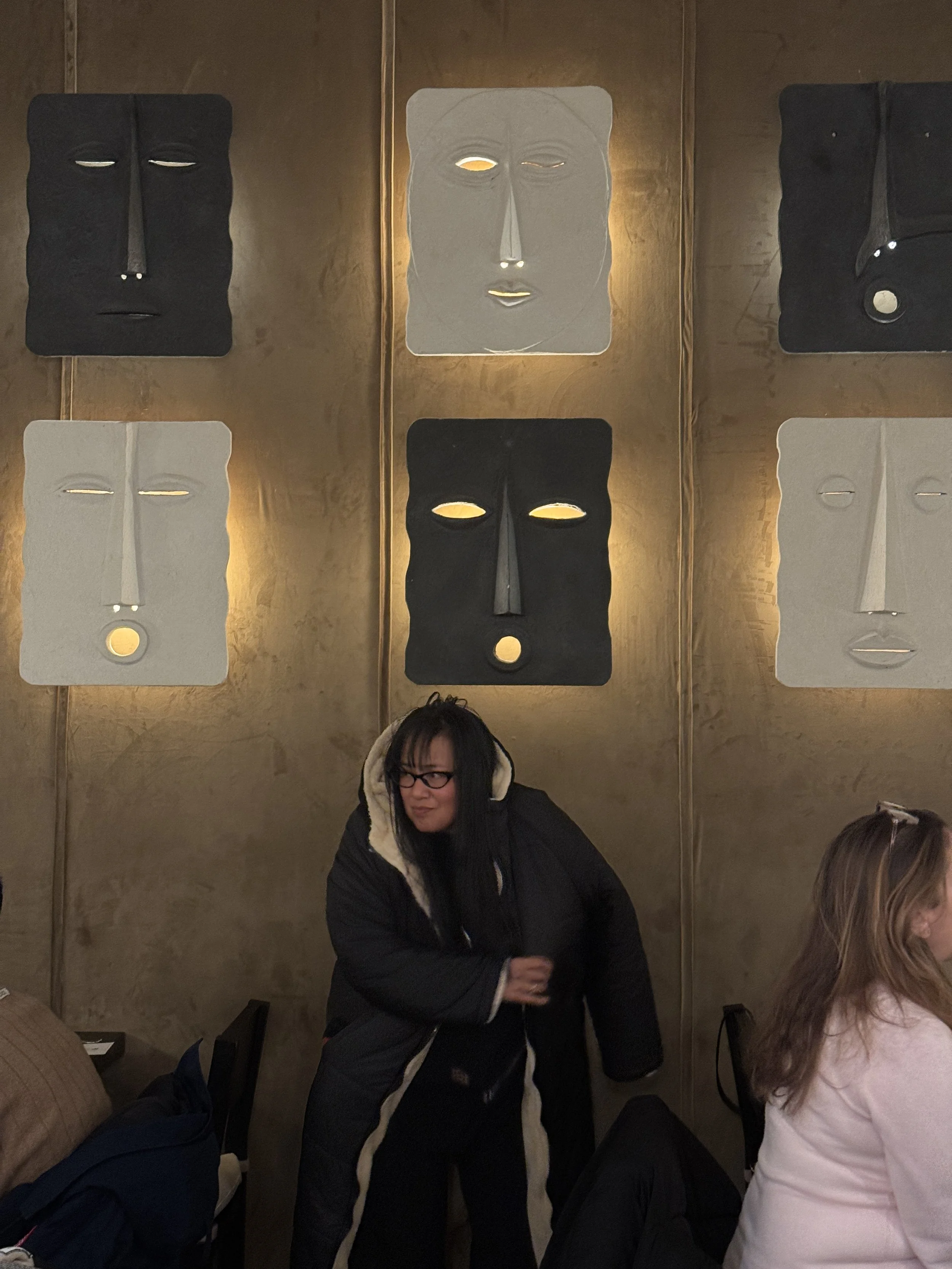
Matilda | River North
At Matilda, chef José Luis Chávez and Exodo Hospitality Group brings Mexican and Peruvian cooking together in a way that feels right at home in the larger conversation happening around contemporary Latin American dining.
The menu moves between both culinary traditions— ceviches and tiraditos alongside tacos, birria and dishes that find natural intersections between Mexican and Peruvian ingredients and techniques. The bar follows suit, with agave spirits and pisco sharing space across the cocktail program.
But the Mexico City influence is just as apparent in the room. Matilda pulls from the design language that has become synonymous with some of CDMX’s most compelling restaurants: warm earth tones, natural materials, greenery, textured surfaces, sculptural lighting and an indoor-outdoor sensibility.
That matters because Mexico City’s influence on global dining isn’t limited to what’s being served. The city’s restaurants have become design references in their own right, helping popularize spaces that feel residential, organic, layered and deeply connected to their surroundings.
Go for: Mexican-Peruvian cooking, ceviche, agave and pisco. Then head downstairs.
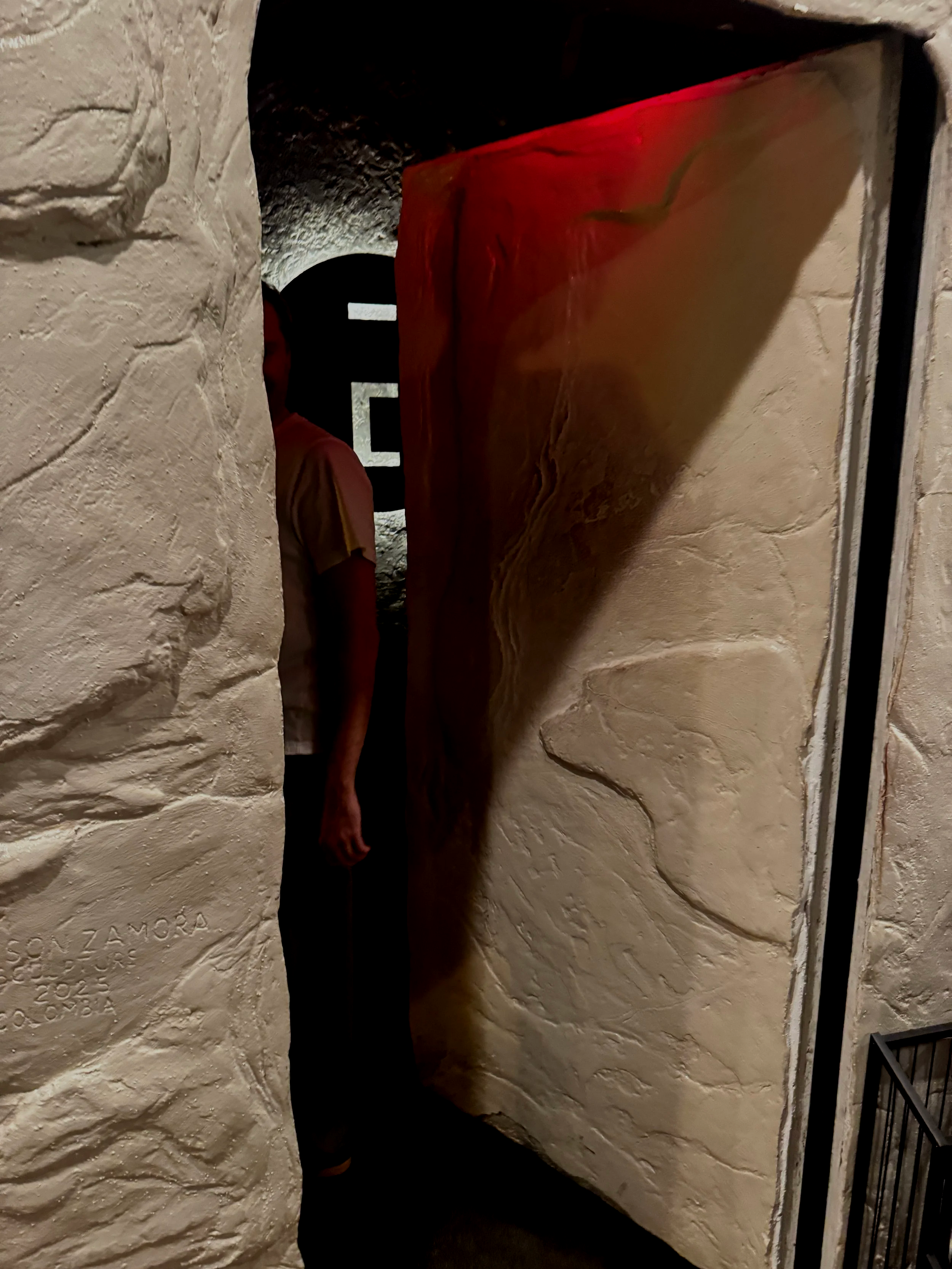
Clandestino | River North
Hidden beneath Matilda is Clandestino, where that same influence takes on a much darker personality.
If Matilda captures the sun-soaked, greenery-filled side of contemporary Mexico City design, Clandestino channels the city after dark: low ceilings, saturated tones, dramatic lighting, open intimate seating and a sense that you’ve stumbled into somewhere you’re not entirely sure everyone else knows about.
The cocktail program continues the Latin American conversation upstairs, pulling from Mexican and Peruvian flavors through agave spirits, pisco, chile, and other ingredients.
One of the things Mexico City does exceptionally well is blur the boundary between restaurants, cocktail bars and nightlife. Beautiful design doesn’t exist simply to photograph well; it changes how people use a space. Matilda and Clandestino create that progression under one roof: the bright, textural dining room upstairs giving way to the darker, hidden world downstairs.
Together, they demonstrate another piece of Mexico City’s growing influence on hospitality around the world: CDMX isn’t just changing what restaurants are serving. It’s changing what we want restaurants to look, feel, and function like.
Go for: dinner upstairs, cocktails downstairs, and the full experience of both rooms.
The Restaurant Rules Mexico City Is Rewriting
The temptation whenever a city becomes internationally fashionable is to crown it the “new” version of somewhere else. Mexico City doesn’t need that comparison. Its influence comes from precisely the opposite idea.
The city has shown the restaurant world that a serious dining culture doesn’t need to choose between street food and fine dining, tradition and experimentation, neighborhood hospitality and international ambition.
Some of its most compelling spaces are remarkably stripped back: raw concrete, plants, vintage furniture, hand-painted signs and weird art. Then there’s the branding: strange characters, playful illustrations, unexpected typography and identities with enormous personality. These restaurants aren’t afraid to be a little weird, even when the cooking is world-class.
Mexico City’s influence goes far beyond what’s on the plate. It’s changing what we expect a restaurant to look like, feel like and become as the night goes on. A Michelin-starred experience can be tacos. A serious restaurant doesn’t necessarily have to look serious.
That’s perhaps the most exciting idea Mexico City is exporting: restaurants don’t have to be so categorized or polished. They can be ambitious and casual, beautiful and strange, culturally rooted and experimental—all at once.
Mexico City isn’t teaching the world how to recreate Mexico City. It’s giving restaurants permission to have a personality.
Chicago’s own Mexican dining culture is distinct, shaped by generations of Mexican and Mexican-American families who made the city home. But the current conversation between Chicago and Mexico City feels particularly exciting because it isn’t simply about importing dishes. It’s about exchanging ideas.
